IPL Match Analysis: Complete Guide for Cricket Fans



IPL Match Analysis helps cricket fans understand why a team wins or loses beyond the final scorecard. A high-scoring innings does not always indicate batting dominance, while a successful chase may depend more on tactical decisions than individual brilliance. Many readers focus only on runs, wickets, and highlights, missing the strategic elements that influence match outcomes. A proper analysis examines pitch conditions, team combinations, batting approach, bowling execution, player contributions, and captaincy decisions. This guide explains how to analyse IPL matches systematically, identify decisive moments, evaluate performances, and understand the tactical decisions that shape results throughout the Indian Premier League.
1. What Is IPL Match Analysis?
IPL Match Analysis is the systematic examination of a cricket match to understand its result, important performances, tactical decisions, and turning points. Instead of simply reporting the winning team, an analyst explains how the match developed and which factors influenced the outcome.
For example, a team scoring 190 runs might appear dominant, but if the opposition loses by only five runs, the analysis should examine missed opportunities, bowling execution, and pressure management. This approach provides readers with meaningful insights rather than repeating the scorecard.
2. Understand Pitch Conditions and Match Environment
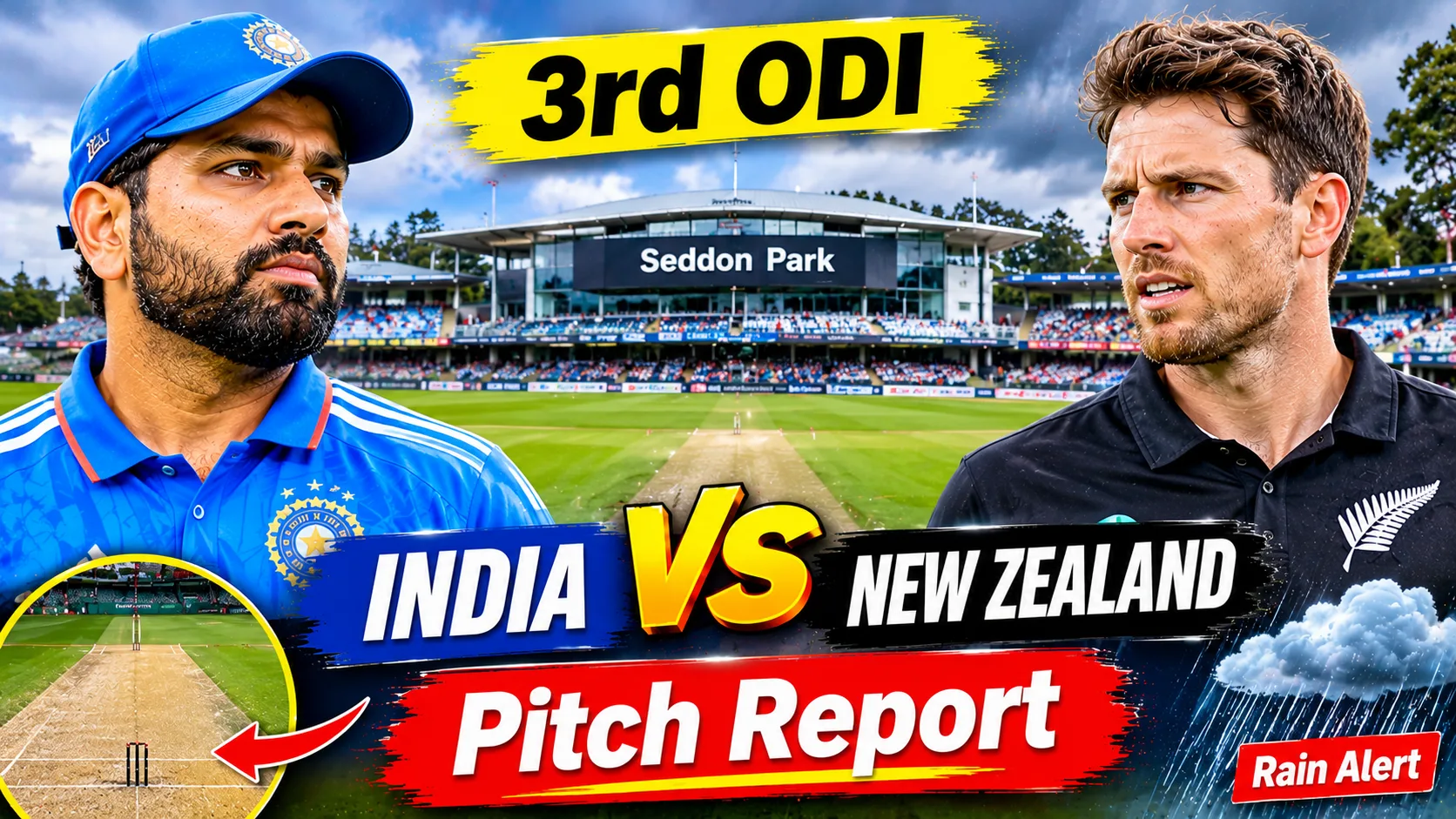
Pitch conditions influence batting strategies, bowling selections, and scoring patterns. Before analysing an IPL match, examine the surface, boundary dimensions, weather conditions, and whether dew could affect the second innings.
Key Factors to Evaluate
Pitch behaviour: Determine whether the surface favours pace, spin, or aggressive batting.
Boundary dimensions: Short boundaries can encourage attacking shots and influence bowling plans.
Dew factor: A wet ball may make gripping difficult for spinners and affect defensive bowling.
Weather conditions: Humidity, temperature, and interruptions can influence match conditions.
The official IPL website provides fixtures, team information, and tournament updates that help establish the context before evaluating individual matches.
3. Evaluate Team Combinations and Playing XI
Team selection can significantly influence match outcomes. A balanced combination usually includes dependable top-order batters, finishing options, quality pace bowlers, and effective spin resources.
During an IPL Team Analysis, examine whether the playing XI suits the conditions and opposition.
Important questions include:
Does the team have enough bowling options?
Are the middle-order batters capable of handling spin?
Is the finishing combination suitable for a high-pressure chase?
Does the team have an effective powerplay bowling attack?
Are overseas player selections improving the overall balance?
A team with several attacking batters but limited bowling depth may struggle to defend competitive totals. Similarly, selecting multiple specialist spinners on a surface offering little assistance could reduce tactical flexibility.
4. Analyse Batting Performance and Scoring Patterns
Batting performance should be evaluated through more than total runs. The distribution of scoring across different phases provides a clearer understanding of an innings.
Powerplay Analysis
The powerplay determines how effectively a team exploits fielding restrictions. Analysts should examine boundary frequency, dot-ball percentage, wicket losses, and the scoring rate.
A strong powerplay combines aggressive scoring with wicket preservation. Losing three early wickets can create pressure even when the run rate initially appears impressive.
Middle Overs
The middle overs often determine whether an innings maintains momentum. Batters must rotate strike, attack favourable matchups, and avoid excessive dot balls.
Death Overs
The final overs reveal finishing ability and bowling execution. Evaluate yorkers, slower deliveries, boundary options, and the effectiveness of batting combinations.
5. Examine Bowling Strategy and Tactical Decisions
Bowling analysis explains how teams restrict scoring and create wicket-taking opportunities. A bowler's economy rate alone does not reveal the complete performance.
Consider these elements:
Powerplay bowling: Swing, seam movement, attacking field placements, and early wickets.
Middle-over bowling: Spin matchups, variations, and pressure through dot balls.
Death-over execution: Yorkers, slower balls, wide-line strategies, and boundary protection.
Captaincy: Changes in bowling order, field adjustments, and decisions under pressure.
Example
Suppose a team requires 45 runs from the final three overs. The captain introduces a specialist death bowler, protects the longer boundary, and forces the batter to target a difficult scoring area.
Even if the bowler concedes some boundaries, restricting the opposition's preferred shots can be tactically successful.
For deeper statistical comparisons, ESPNcricinfo offers scorecards, player statistics, and cricket coverage that can support performance evaluation.
6. Identify the Turning Points of the Match
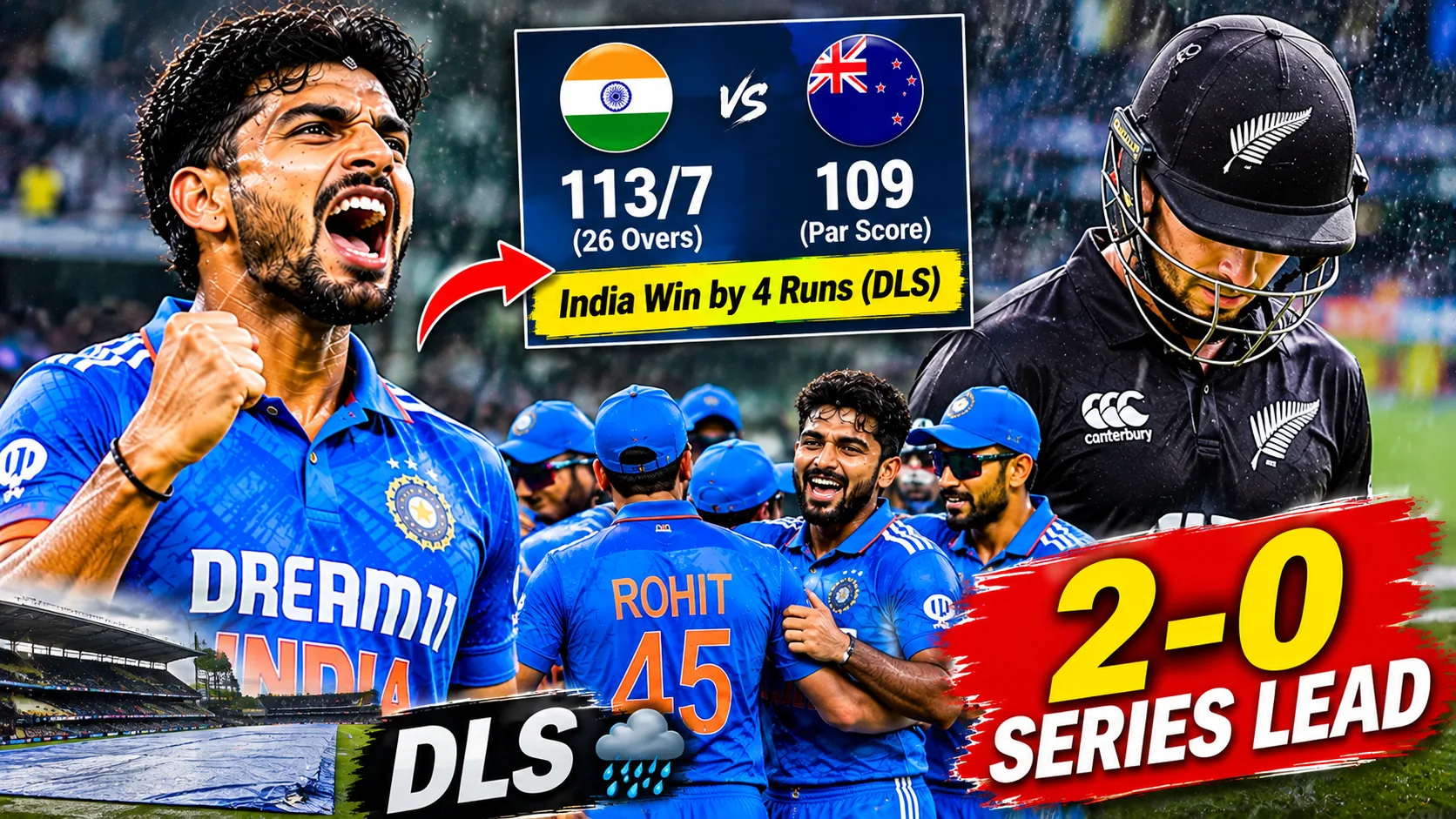
Turning points are moments that significantly change a team's chances of winning. They may involve a wicket, a dropped catch, an exceptional partnership, or a tactical decision.
A useful analysis identifies two or three decisive moments instead of describing every delivery.
Examples include:
A wicket during a dangerous batting partnership.
A sudden collapse after a strong powerplay.
A successful bowling change against an attacking batter.
A late partnership that changes the required run rate.
An outstanding fielding effort that prevents crucial runs.
To understand how match reports present decisive outcomes, readers can also explore SpoRush's USA vs Namibia match report.
7. Evaluate Player Performance Using Statistics
Player Performance Analysis combines numerical data with match context. A batter scoring 35 runs from 20 balls may provide greater value than someone scoring 50 from 45 deliveries, depending on the situation.
Important Batting Metrics
| Metric | What It Indicates |
|---|---|
| Batting average | Runs scored per dismissal |
| Strike rate | Scoring speed |
| Boundary percentage | Contribution from fours and sixes |
| Dot-ball percentage | Frequency of unsuccessful scoring deliveries |
| Partnership contribution | Impact on team scoring |
Important Bowling Metrics
| Metric | What It Indicates |
|---|---|
| Economy rate | Runs conceded per over |
| Bowling average | Runs conceded per wicket |
| Strike rate | Balls required per wicket |
| Dot-ball percentage | Pressure created through restricted scoring |
| Wickets in key phases | Impact during decisive overs |
Cricbuzz is another useful resource for scorecards, player statistics, match coverage, and tournament information.
8. A Practical Framework for Writing IPL Match Analysis
Follow this process when preparing an analysis article for SpoRush.
Collect match information: Record the scorecard, playing XIs, toss decision, venue, and result.
Study the innings: Identify powerplay performance, middle-over scoring, and death-over execution.
Compare bowling strategies: Examine bowling changes, matchups, and important overs.
Identify turning points: Select the moments that influenced the result most significantly.
Evaluate key players: Explain contributions through statistics and match context.
Assess captaincy: Discuss tactical decisions objectively, including successful and unsuccessful choices.
Write the conclusion: Summarise why the winning team succeeded and what the losing team could improve.
For additional reporting examples, SpoRush readers can visit the Zimbabwe Women vs West Indies Women match report.
9. Common Mistakes in IPL Match Analysis
Avoid these mistakes when writing cricket analysis:
Judging a player entirely through runs or wickets.
Treating every unsuccessful captaincy decision as a mistake.
Ignoring pitch conditions and opposition matchups.
Making unsupported claims about player form.
Confusing a close result with poor team performance.
Repeating the scorecard without explaining its significance.
Making match predictions without considering available evidence.
Strong analysis should remain objective, evidence-based, and focused on cricketing decisions.
10. How IPL Match Analysis Improves Cricket Understanding
Regular match analysis helps readers recognise patterns in batting, bowling, and captaincy. Fans begin understanding why teams prefer certain matchups, how required run rates influence decisions, and why defending a total depends on more than the number of runs scored.
For cricket content creators, structured analysis also creates opportunities to produce match previews, tactical explainers, player evaluations, and tournament reviews. SpoRush can use these formats to develop a consistent cricket-analysis content category.
Creators looking to organise their publishing workflow can also explore GrowZap for content-related tools and creator resources.
Conclusion
IPL Match Analysis offers a deeper understanding of cricket by connecting statistics, performances, and tactical decisions. Examining pitch conditions, team combinations, batting phases, bowling strategies, and turning points makes match coverage more informative and valuable. For SpoRush, consistently publishing evidence-based analysis can help establish a recognisable cricket-content category and attract readers interested in understanding the game beyond highlights and scorecards.