IPL Data Analytics: How Teams Use Statistics to Make Tactical Decisions


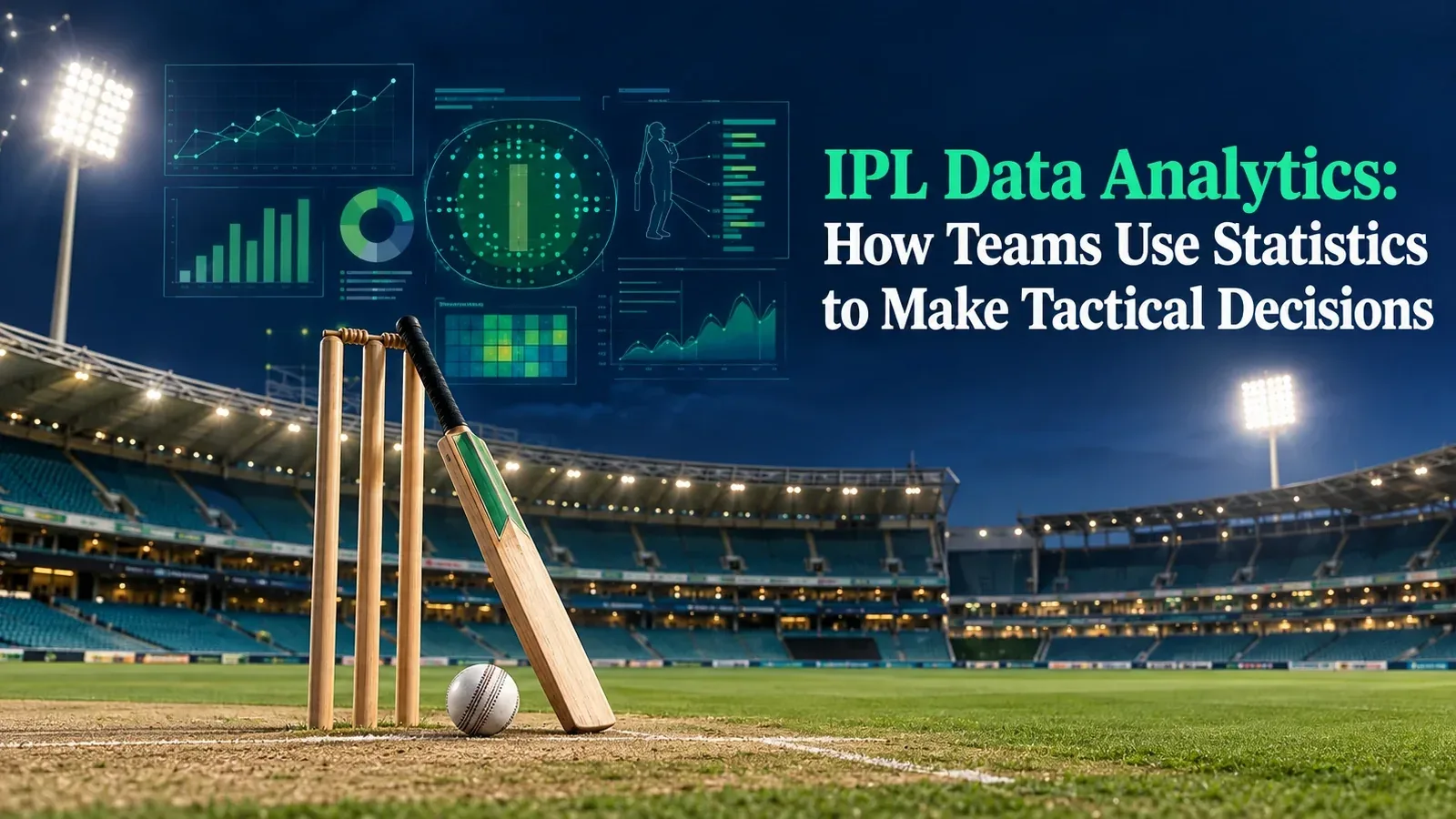
A batter walks out to face a bowler he has never played against. The captain has a field ready, the bowler knows which delivery he wants to use, and the coaching staff has already studied how this batter performs in similar situations. What looks like a simple contest between bat and ball often involves hours of analysis behind the scenes.
Data has become an important part of modern IPL cricket. Teams no longer depend entirely on instinct or past experience when making decisions. Statistics, video analysis and performance reports help them understand opponents, select players and adjust plans during a match.
But numbers do not win matches on their own. The real challenge is knowing which information matters and when to use it.
From Player Records to Match-Specific Analysis
A player's overall statistics can offer a useful starting point, but they rarely tell the complete story.
For example, a batter might have an impressive overall record against spin bowling. However, his performance against left-arm orthodox spinners could be very different from his record against leg-spinners.
This is why IPL analysts break down performances into smaller categories. They study how players perform against different bowling styles, during particular phases of an innings and under varying match conditions.
The same approach applies to bowlers. Their economy rate, bowling average and wicket-taking record are useful, but analysts also examine where they concede runs and which deliveries create difficulties for particular batters.
The aim is not simply to collect more numbers. It is to find information that can help the team make a better decision.
How Data Influences Team Selection
Selecting a playing XI is one of the most important decisions before a match. A team may have several talented players, but not every combination will suit every venue.
Suppose a ground has a surface that generally offers assistance to spinners. The management may consider including an additional spin option. At another venue, a different bowling combination might make more sense.
Analysts help coaches assess these choices by studying previous performances, player roles and venue conditions.
Batting selection also involves similar considerations. A team may need an aggressive opener, a batter who can handle spin in the middle overs or someone capable of finishing an innings.
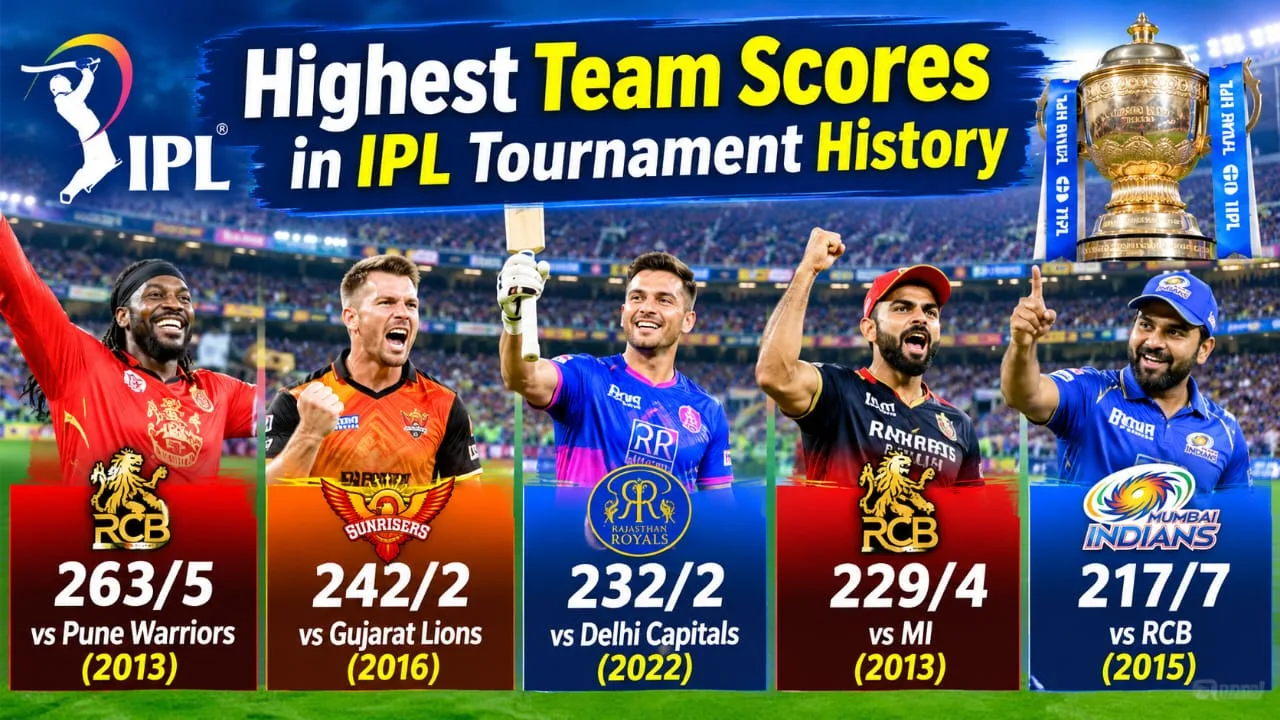
Historical records, including the highest individual scores in IPL history, provide examples of major batting performances. However, a high score alone cannot establish whether a player is the right choice for a particular match.
Conditions, opposition and the role expected from the player all matter.
Understanding Batter-Bowler Match-Ups
One of the most useful applications of data analytics is studying individual match-ups.
A bowler might perform well against most batters but struggle against someone who reads his variations particularly well. Similarly, a batter who dominates pace may find it difficult to score freely against a certain type of spinner.
Teams use previous encounters and performance patterns to identify these situations.
Captains can then consider when to introduce a particular bowler. A bowling change may be based not only on the number of overs remaining but also on which batter is currently at the crease.
This does not mean a statistical pattern will always repeat itself. Conditions, form and the pressure of the moment can change the contest. Data provides guidance, while the captain still has to judge what is happening in front of him.
Real-Time Analysis During a Match
Data analytics does not stop once the toss is completed. Support staff continue observing the match and sharing relevant information with the coaching group.
They may identify that a batter is repeatedly targeting one side of the ground or that a bowler is struggling to control a particular delivery.
Such observations can help the captain adjust field placements, change bowling plans or communicate a different approach to the players.
However, there is a limit to how much information a player can process in the middle of a match. A batter cannot keep thinking about dozens of statistics before every delivery.
That is why analysts and coaches usually try to convert complex information into simple instructions that players can actually use.
Why Statistics Cannot Replace Cricketing Judgment
There is a danger in treating data as the final answer. Cricket is played in changing conditions, and a player's current confidence may not match his historical record.
A batter who has struggled against a particular bowler in previous seasons may have improved his technique. A bowler with an ordinary record at a venue may perform differently after changing his approach.
Weather, pitch behaviour, pressure and individual form also influence performance. These factors cannot always be captured accurately by a statistical report.
Records such as the most four-wicket hauls in IPL history highlight the impact of outstanding bowling spells. Yet a team cannot select a bowler based only on historical achievements. It must consider his present fitness, role and suitability for the opposition.
The most run-outs in IPL history also offer an interesting reminder that match situations involve awareness and decision-making, not just conventional batting and bowling numbers.
The strongest teams use analytics as a supporting tool rather than following every statistical recommendation blindly.
The People Behind the Numbers
Behind every performance report is a group of people trying to make the information useful. Data analysts collect and organise statistics, video analysts study player movements, and coaches connect these findings with their cricketing experience.
Their work is most effective when communication is clear. A detailed report has little value if the player cannot understand how it applies to the next match.
Ultimately, analytics is about improving the quality of decisions, not making cricket unnecessarily complicated.
Conclusion
Data analytics has changed how IPL teams prepare for matches and assess player performances. It helps them identify match-ups, understand conditions and make more informed selection decisions.
Still, cricket remains unpredictable. A player can produce an exceptional performance that no previous record could have guaranteed. The best use of analytics is to prepare teams for possibilities while leaving room for instinct, adaptability and sound judgment.
IPL Statistics & Records


Frequently asked questions
How do IPL teams use data analytics?
Teams study player performances, opposition patterns, venue conditions and match situations to support selection and tactical decisions.
Does data analytics help in selecting the playing XI?
Yes. It helps coaches compare player roles, recent performances and suitability for particular conditions before finalising the team.
Can statistics predict the result of an IPL match?
No. Statistics can help teams assess possibilities, but actual results depend on performance, conditions, pressure and decisions made during the match.