IPL Batting Partnerships: How Two Batters Build Match-Winning Stands



A batter can hit a brilliant boundary, but a partnership often decides how far an innings goes. In T20 cricket, one player may attack while the other keeps the scoreboard moving. A few overs of good understanding between them can turn a difficult situation into a competitive total.
IPL matches regularly show how important partnerships are. When early wickets fall, two batters need to rebuild without allowing the scoring rate to drop too much. During a chase, they must balance caution with aggression. It is not simply about how many runs they score together; it is about how they manage the situation.
Why Partnerships Matter in T20 Cricket
Losing wickets can put a batting side under immediate pressure. A team that starts strongly may suddenly find itself struggling after two quick dismissals. At that point, another wicket can make the innings difficult to recover.
A partnership gives the batting side some stability. It allows the new batter to settle in while the player already at the crease takes responsibility for maintaining the scoring rate.
Partnerships also affect the opposition's plans. When two batters remain at the crease for several overs, the captain may have to change bowlers, adjust field placements or reconsider the original strategy.
A good stand does not always need to be explosive. Sometimes, its biggest contribution is preventing the innings from falling apart.
Understanding Each Other's Batting Style
Every batter has a different approach. Some prefer attacking from the first ball, while others take time to judge the conditions before increasing their scoring rate.
A successful partnership develops when both players understand these differences.
For example, if one batter is timing the ball well, the other may focus on rotating the strike and allowing the set player to face more deliveries. If the aggressive batter gets dismissed, the remaining player may need to take greater responsibility.
This understanding cannot always be planned in advance. Players develop it through communication, experience and awareness of each other's strengths.
The important thing is to avoid competing with a partner for runs. Both players are working towards the same team objective.
Strike Rotation Keeps the Partnership Alive
Boundaries are valuable, but a partnership can lose momentum if both batters spend too much time waiting for scoring opportunities.
Singles and twos help maintain the flow of an innings. They also make it harder for bowlers to build pressure through consecutive dot balls.
Strike rotation becomes particularly useful against quality bowling. When a bowler is controlling one batter, a single can bring the other player on strike and create a different challenge.
Running between the wickets requires quick judgement. Both players must watch the ball, read the fielder's position and communicate clearly before committing to a run.
A misunderstanding can end a promising partnership. The most run-outs in IPL history highlight how costly poor running decisions can become in a competition where small margins often matter.
Building a Partnership After Early Wickets
An early collapse changes the priorities of a batting team. Players who expected to attack may suddenly need to rebuild the innings.
The first responsibility is to stop losing wickets. This does not mean abandoning scoring opportunities, but it does require better judgement about which deliveries to attack.
A new batter may take a few balls to understand the pace of the pitch. Meanwhile, the established batter can guide the partnership by identifying scoring areas and communicating with their partner.
Once the innings becomes stable, both players can gradually increase the scoring rate.
The key is timing. Attacking too early can lead to another wicket, while waiting too long can leave the team with an unrealistic target in the final overs.
How Partnerships Change During a Run Chase
Batting partnerships during a chase require a slightly different approach because the target and remaining overs influence every decision.
At the beginning, batters need to assess the required run rate. If the target is manageable, there is no reason to take unnecessary risks. If the asking rate is increasing, they may need to find more boundary opportunities.
A partnership also benefits from having clear responsibilities. One batter might attack a particular bowler, while the other focuses on keeping the innings moving.
These roles can change during the same partnership. A player who begins cautiously may become the aggressor once settled, while the other adjusts accordingly.
The most effective partnerships are flexible rather than dependent on a fixed plan.
Dealing With Quality Bowling Together
A partnership becomes particularly valuable when the opposition has a bowler who is difficult to score against.
One batter may struggle with spin, while the other may be more comfortable facing it. Changing the strike can help the pair find better scoring opportunities without taking unnecessary risks.
However, strong bowling attacks often make this difficult. Bowlers use changes of pace, variations in length and carefully planned field placements to break partnerships.
The record of four-wicket hauls in IPL history shows how a single bowling spell can disrupt an innings and end important partnerships.
Batters need patience in these periods. Surviving a difficult over and scoring freely against a more favourable match-up can be a sensible way to manage the innings.
Why Big Partnerships Can Decide Matches
A substantial partnership can change the balance of an entire match. It reduces the pressure created by early wickets and gives the batting team a chance to build a competitive total.
It can also force the opposition captain to move away from the original bowling plan. Once two batters are settled, defensive field placements may create gaps, while attacking fields can offer boundary opportunities.
Some of the biggest individual scores in the competition are remembered for the way a batter dominated an innings. The top 10 highest individual scores in IPL history show the impact one exceptional performance can have. But behind many successful innings, partnerships provide the support needed to maintain momentum.
Ultimately, a match-winning stand is not defined only by the number of runs added. Its importance depends on when it happens and how it changes the team's position.
Conclusion
Batting partnerships are built on trust, communication and an understanding of match situations. Two players do not need to score at the same pace or follow identical methods. They need to recogzise what the innings requires and support each other's approach.
In the IPL, a strong partnership can rescue a struggling innings, control a difficult chase or create the platform for a big finish. That is why good teamwork at the crease remains one of the most valuable parts of T20 batting.
IPL Records & Stats
 IPL · 26.11.2026IPL Purple Cap Winners: Season-wise Bowling Records & Performance Trends
 IPL · 26.11.2026Most Sixes in IPL History (2008–2026): Top 10 Players, Indian Record & Single Season
 IPL · 25.11.2026Top 10 Players With the Most Not Out Innings in IPL History
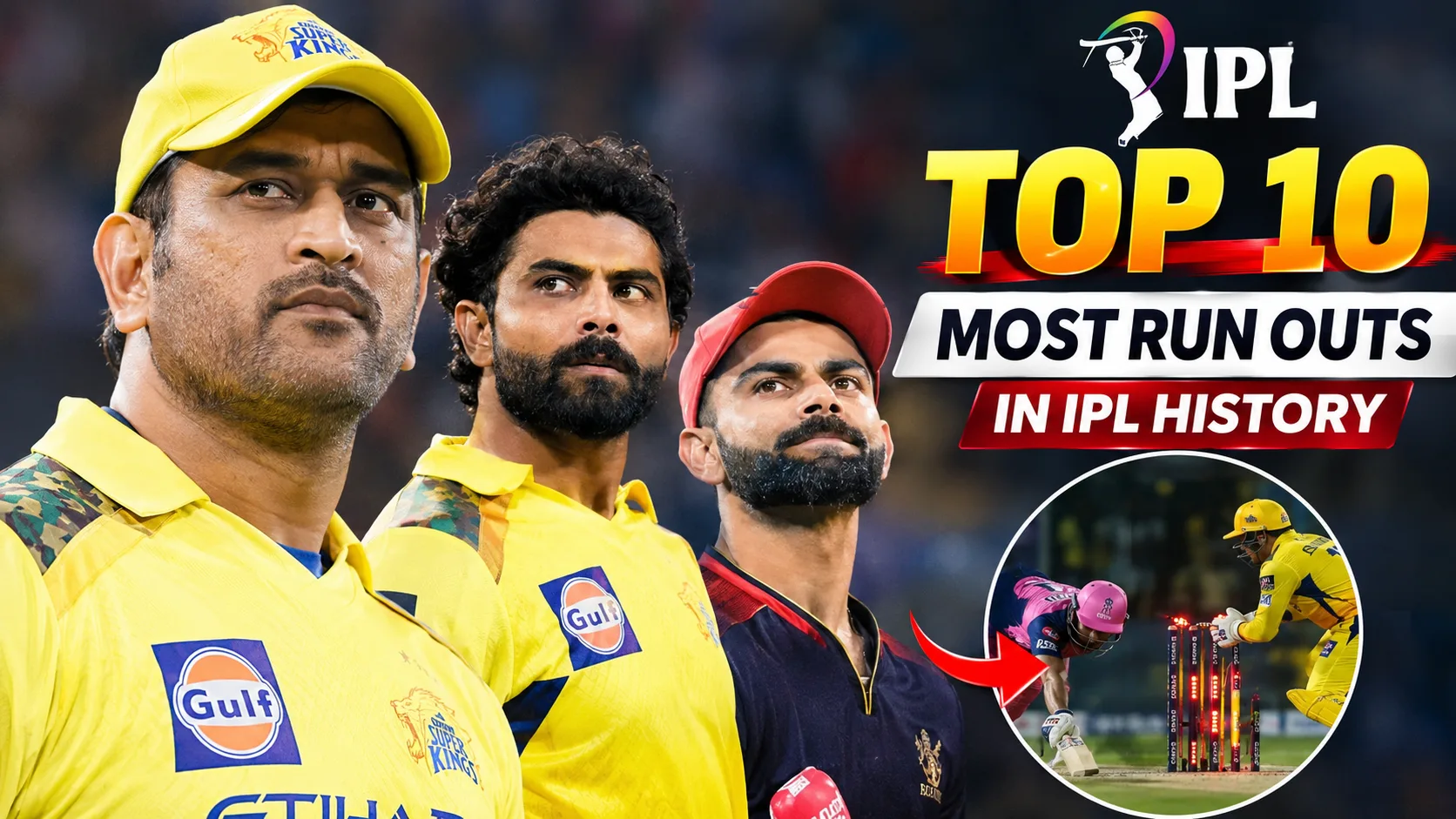 IPL · 24.11.2026Top 10 Players with Most Run Outs in IPL History
Frequently asked questions
What is a batting partnership in cricket?
A batting partnership refers to the runs scored by two batters together while they are at the crease, including contributions from extras.
Why are partnerships important in IPL matches?
They help teams recover after early wickets, maintain the scoring rate and build competitive totals or successful run chases.
How can two batters build a strong partnership?
By communicating clearly, rotating the strike, understanding each other's strengths and choosing the right moments to attack.